347-787-6824
The Duality of the U.S. Supreme Court’s Janus Decision
The LAW FIRM OF DAYREL SEWELL, PLLC is pleased to announce its latest publication, “The Duality of the U.S. Supreme Court’s Janus Decision”, appearing in the 2015 American Bar Association Securities Litigation Fall Newsletter ( See The Duality of the U.S. Supreme Court’s Janus Decision ). 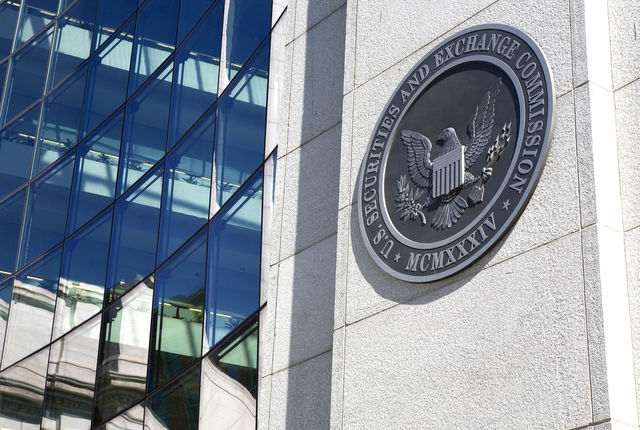 Section 10(b) of the Securities Exchange Act of 1934, and Rule 10b-5 promulgated thereunder prohibit, among other things, the making of untrue and misleading statements of fact in connection with the purchase and sale of any security. In light of this prohibition, a seminal question is who has the liability for making the untrue or misleading statement? The United States Supreme Court addressed this question in its decision in Janus Capital Group, Inc. v. First Derivative Traders, 131 S. Ct. 2296 (2011). The Janus decision made an impact on the securities fraud landscape. It initially appeared to be a well-constructed guiding principle, yet different courts have come to disparate conclusions with respect to its application; thus creating the “duality” that exists – ironically – in the aftermath of the Janus decision. In Janus, the Court held that only a person who has the “ultimate authority” over a statement, including its content and whether and how to communicate it, can be the “maker” of the statement for purposes of Section 10(b) and Rule 10b-5. The Janus Court held that the investment advisor to a mutual fund cannot be primarily liable under Section 10(b) for statements made in in the fund’s prospectus because the investment advisor did not have the ultimate authority in making the statements. The Court held that to “make” these statements for purposes of rule 10b-5, the alleged maker must have “ultimate authority over the statement, including its content and whether and how to communicate it,” and that the fund managers did not have that authority. Janus, 131 S. Ct. at 2302. The Court concluded saying it is the entity that has control over the content of the statements and the authority of how and when to make them, that will have the primary liability. Id. at 2301. The government’s broader view of interpreting the word “make” as “create” thereby extending the primary liability to all parties who had a significant role in the creation of the misinterpretations, and the dissent’s broader view of interpreting the “maker” based on the facts and circumstances of the particular case, were both rejected. Id. at 2311. You are encouraged to comment and receive free updates by subscribing to the firm’s Blog and Press Release sections.



 The Brooklyn Bar Association is a 2,000 member strong organization that works to enhance and improve the practice of law in Brooklyn, New York. The Brooklyn Bar Association is located at 123 Remsen Street and is a landmark brownstone building which is convenient to the Federal State and Civil Courthouses. The building boasts a meeting hall that is available for private functions, a library featuring free New York Westlaw for members in good standing and meeting rooms that can be reserved free of charge for use by members in good standing. Our publication, The Brooklyn Barrister, features articles and columns that keep our members up to date on developments in the law and in the legal community. The organization provides members services such as outstanding CLE programs, committees and sections for specific practice areas and networking opportunities at events such as our new member mixer and our annual dinner. The Brooklyn Bar Association also services the Brooklyn Community through the Lawyer Referral Service, which helps connect people to attorneys who can assist with their legal needs.