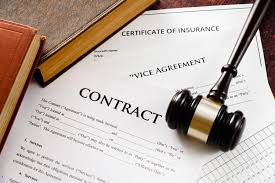
Everything You Need to Know About Contracts in Business Law


Contracts are the backbone of every successful business. Whether you’re running a startup, managing a corporation, or operating a small business in New York City, understanding business law contracts is essential. A well-drafted contract protects your rights, prevents disputes, and ensures smooth business operations.


At the LAW FIRM OF DAYREL SEWELL, PLLC, our experienced business law attorneys, commercial contract lawyers, and corporate litigation professionals help businesses create, review, negotiate, and enforce legally sound contracts tailored to their needs.


What Is a Contract in Business Law?


A contract in business law is a legally binding agreement between two or more parties that governs commercial transactions, business relationships, and professional obligations. It outlines the rights, responsibilities, and expectations of each party, ensuring that business activities are conducted fairly, transparently, and with legal protection.


Key Features of a Contract in Business Law


  • Legally Enforceable – If a party fails to perform, the other party can seek legal remedies such as damages or specific performance.
  • Clear Terms and Conditions – These specify pricing, timelines, deliverables, payment terms, dispute resolution, and other relevant details.
  • Mutual Agreement – All parties must willingly agree to the terms.
  • Consideration – Something of value (money, service, goods) must be exchanged.
  • Purpose Must Be Legal – A contract cannot involve illegal activities.


Contract In business law

Source: Fetterman Law


Types of Contracts in Business Law


In business law, contracts are classified based on several factors, including their formation, validity, and performance. Understanding these categories helps businesses operate smoothly, avoid disputes, and ensure legal compliance.


1. Based on Formation


1.1 Express Contracts

These contracts have clearly stated terms, either written or spoken. Businesses commonly use express contracts for employment agreements, service contracts, leases, and vendor agreements.


1.2 Implied Contracts

Created through actions or circumstances, not written words. For example, hiring a freelancer through conduct or purchasing items by behavior at a self-checkout.


1.3 Quasi-Contracts (Implied-in-Law)

Not true contracts, but obligations imposed by courts to prevent unjust enrichment. Example: A business mistakenly receives services and must pay reasonable compensation.


1.4 E-Contracts

Digital or electronic contracts are executed through emails, online forms, software agreements, or e-commerce platforms.


1.5 Unilateral Contracts

Only one party makes a promise. The contract is formed once the other party performs the required act (e.g., reward offers).


1.6 Bilateral Contracts

Both parties exchange promises; most business contracts are bilateral (service-for-payment agreements).


2. Based on Validity / Enforceability


2.1 Valid Contracts

Legally binding and enforceable, containing all essential elements of a contract.


2.2 Void Contracts

Not enforceable by law. These contracts may appear valid initially, but become void due to illegality, impossibility, or public policy conflicts.


2.3 Voidable Contracts

Enforceable unless one party elects to void them due to reasons like undue influence, fraud, misrepresentation, or minority.


2.4 Illegal Contracts

Agreements involving illegal activities are automatically void and cannot be enforced.


2.5 Unenforceable Contracts

Appear valid but lack enforceability due to technical reasons (e.g., lack of written format under the Statute of Frauds).


3. Based on Performance


3.1 Executed Contracts

Fully performed by all parties. Example: A one-time service completed and paid for.


3.2 Executory Contracts

Still awaiting performance by one or both parties—most business agreements fall under this category until fully completed.


3.3 Partly Executed / Partly Executory Contracts

One party has performed its part, while the other still has obligations pending.


4. Additional Types of Business Contracts


4.1 Adhesion Contracts

Standard “take-it-or-leave-it” contracts where one party has more bargaining power (e.g., website terms, insurance policies).


4.2 Aleatory Contracts

Performance depends on uncertain events, like insurance contracts or speculative business agreements.


4.3 Option Contracts

One party pays for the right to enter into another contract later (e.g., real estate options).


4.4 Lump-Sum / Fixed-Price Contracts

Common in construction and business operations, where a fixed price is agreed upon regardless of cost variations.


Contracts

Source: ezyLegal


Why Choose LAW FIRM OF DAYREL SEWELL, PLLC?


As one of New York City’s leading business law firms, the LAW FIRM OF DAYREL SEWELL, PLLC offers:


  • Deep expertise in business law and contract drafting
  • Skilled commercial litigation attorneys
  • Personalized, client-focused service
  • Strategic contract negotiation
  • Proven success in dispute resolution
  • Comprehensive support for businesses of all sizes


Our mission is to ensure your business operates safely, efficiently, and with full legal protection.


Final Thoughts


Contracts are essential tools for protecting your business, building strong partnerships, and ensuring operational stability. Understanding business law contracts empowers you to make smarter decisions and avoid legal pitfalls.


The LAW FIRM OF DAYREL SEWELL, PLLC, stands ready to assist with all your contract needs from drafting and negotiation to litigation and enforcement. Whether you’re launching a startup or managing a large enterprise, our attorneys ensure your contracts are strong, enforceable, and aligned with your business goals.


FAQs


1. Why do businesses need contracts?

Contracts prevent misunderstandings, protect legal rights, define expectations, and provide enforceable remedies when disputes arise.


2. What happens if a contract is breached?

The non-breaching party may seek damages, mediation, termination, or legal action, depending on the contract terms.


3. Who can draft a business contract?

While anyone can draft a contract, only an experienced business law attorney can ensure it is legally sound, enforceable, and free of loopholes.


4. How can LAW FIRM OF DAYREL SEWELL, PLLC help with contracts?

Our attorneys draft, review, negotiate, and enforce contracts while offering expert guidance in business law and commercial litigation.


What Is Commercial Litigation? Guide for Business Owners in 2025


In today’s fast-paced business world, legal disputes are almost inevitable. From contract breaches to shareholder conflicts, companies face challenges that can impact revenue, reputation, and long-term growth. This is where commercial litigation comes into play.


In this guide, we’ll explain what commercial litigation is, why it matters for business owners in 2025, and how the LAW FIRM OF DAYREL SEWELL, PLLC can help protect your company’s interests.


What Is Commercial Litigation?

Commercial litigation is a legal process that involves resolving business-related disputes through the court system, arbitration, or mediation. Unlike civil litigation, which typically deals with personal matters (like injury claims or family disputes), commercial litigation focuses specifically on conflicts between companies, organizations, or business partners.

In short, commercial litigation covers any dispute that could disrupt business operations or profitability.


Best commercial litigation attorney in NYC at LAW FIRM OF DAYREL SEWELL, PLLC – expert legal guidance in 2025

Source: Nakase Law Firm


Why Is Commercial Litigation Important for Business Owners in 2025?

Business disputes are becoming more complex in today’s economy. Here’s why every business owner in 2025 should understand commercial litigation:


1. Globalized Contracts

With cross-border deals and digital agreements, disputes over terms and jurisdiction are more common than ever.


2. Rise of Intellectual Property Cases

AI, digital branding, and e-commerce have increased the risk of IP theft and copyright infringement.


3. Partnership & Shareholder Conflicts

Growing businesses often face disagreements among stakeholders, which can threaten the company’s future.


4. Regulatory Challenges

Businesses in industries like finance, healthcare, and tech face strict regulations, increasing the chance of disputes with agencies or partners.


Understanding commercial litigation gives business owners the foresight to manage risks before they escalate into lawsuits.


Common Types of Commercial Litigation Cases

1. Breach of Contract

When one party fails to meet contractual obligations, litigation may be necessary to recover damages or enforce terms.


2. Shareholder & Partnership Disputes

Conflicts among partners or shareholders can threaten business stability. Litigation resolves ownership rights and responsibilities.


3. Intellectual Property Disputes

Protecting trademarks, copyrights, and patents is vital for modern businesses. Litigation ensures competitors don’t unlawfully benefit from your creations.


4. Employment Disputes

From wrongful termination to wage conflicts, employment-related lawsuits are a growing part of commercial litigation.


5. Fraud & Misrepresentation

Businesses may face cases involving false statements, financial fraud, or deceptive trade practices.


The Role of a Commercial Litigation Attorney

A commercial litigation attorney represents businesses in disputes, whether in court, arbitration, or settlement negotiations. Their responsibilities include:


  • Evaluating cases and creating legal strategies
  • Negotiating settlements before trial
  • Representing businesses in state and federal courts
  • Protecting business assets and reputations
  • Advising on compliance to prevent future disputes


Commercial Litigation attorney consulting business owners about strategies at sewellnylaw.

Source: Feldman & Feldman


Why Choose the LAW FIRM OF DAYREL SEWELL, PLLC?

When it comes to commercial litigation in New York, the LAW FIRM OF DAYREL SEWELL, PLLC is a trusted name among business owners.

Here’s why:


  • Proven Experience handling complex commercial disputes.
  • Client-Centered Approach that prioritizes your business goals.
  • Strong Litigation Strategies designed to achieve the best outcomes.
  • Comprehensive Support — from negotiation to courtroom advocacy.


Whether you’re a startup, a mid-sized company, or a large corporation, the LAW FIRM OF DAYREL SEWELL, PLLC, provides tailored legal solutions to safeguard your business in today’s competitive market.


Final Thoughts

Commercial litigation is an unavoidable part of doing business in 2025. Whether it’s a contract issue, a partnership dispute, or protecting your intellectual property, having the right attorney by your side makes all the difference.

If you’re a business owner looking for trusted legal guidance in New York, reach out to the LAW FIRM OF DAYREL SEWELL, PLLC. With a proven track record and client-focused strategies, their team ensures your business stays protected and prepared for any legal challenge.


Schedule a consultation with the LAW FIRM OF DAYREL SEWELL, PLLC, today to safeguard your business for the future.


FAQs

1. What’s the difference between civil and commercial litigation?

Civil litigation covers personal disputes, while commercial litigation specifically deals with business-related conflicts.


2. How long does commercial litigation take?

The timeline depends on case complexity. Some disputes settle quickly, while others may take months or years.


3. Can commercial disputes be resolved without going to court?

Yes, many cases are resolved through mediation or arbitration to save time and costs.


4. When should I hire a commercial litigation attorney?

You should contact an attorney as soon as a dispute arises to protect your rights and strengthen your legal position.


How patent lawyers handle patent litigation and disputes


Why Patent Disputes Happen


In today’s fast-paced world of innovation, protecting intellectual property (IP) has become more than a legal formality; it’s a business necessity. But what happens when someone violates that protection? That’s where patent litigation comes in, and it’s also where the expertise of a skilled patent lawyer becomes invaluable.


Whether it’s a startup fighting to defend its unique product or a large enterprise fending off infringement claims, handling patent disputes requires both legal strategy and deep technical understanding.


Understanding Patent Litigation


Patent litigation refers to legal proceedings related to the unauthorized use of patented inventions. These disputes are often complex, technical, and high-stakes, involving courtroom battles, expert witnesses, and years of documentation. Companies that find themselves either accused of infringement or seeking to enforce a patent must act quickly—and smartly.


That’s why hiring a registered U.S. patent lawyer is often the first and smartest move.


Experienced patent lawyer in New York providing legal consultation on intellectual property, business formation, and compliance at SewellnyLaw firm.Source: Michigan Law Center


The Role of a Patent Lawyers in Litigation


A patent lawyer does much more than file patents. When disputes arise, they become the central figure managing everything from early negotiations to courtroom representation.


Here’s how they typically handle a dispute:

  • Case Assessment: The first step is determining whether the client has a strong case. This includes reviewing patent claims, prior art, and the alleged infringement.

  • Pre-Litigation Strategy: Not every dispute requires litigation. A patent lawyer often attempts to settle matters through cease-and-desist letters, licensing negotiations, or alternative dispute resolution (ADR) methods.

  • Filing a Lawsuit (or Defense): If negotiations fail, the lawyer prepares the case, files it in the appropriate court, and begins the litigation process. On the defense side, they challenge the validity of the patent or argue non-infringement.

  • Technical Collaboration: Working closely with engineers, inventors, or expert witnesses, the lawyer breaks down the technology for judges or juries.

  • Courtroom Representation: From presenting arguments to cross-examining witnesses, a patent lawyer ensures that every technical and legal angle is covered.


Why Work with Registered U.S. Patent Lawyers


There’s a difference between a general attorney and a registered patent lawyer. The latter is licensed to practice before the U.S. Patent and Trademark Office (USPTO) and has a technical or scientific background. That blend of legal and technical expertise allows them to understand and argue patent claims at a much deeper level.


When it comes to litigation, this becomes crucial. A registered patent lawyer knows how to speak the language of both law and science, an edge that can change the outcome of a case.


Working with Patent Lawyers in New York


New York isn’t just a financial hub; it’s also a major center for innovation, especially in fields like biotech, software, and consumer products. As such, the demand for top-tier legal support is higher than ever.


Choosing the right patent lawyer and patent law firm in New York can be beneficial for companies operating in the city’s fast-moving markets. These professionals often have experience with high-profile cases and understand the nuances of New York’s federal courts, making them particularly effective in complex litigation scenarios.


Experienced patent lawyers in New York reviewing legal documents, Intellectual property attorney providing patent application and IP protection services for businesses in NYC.Source: Betterteam


Common Types of Patent Disputes


Patent litigation isn’t one-size-fits-all. Here are a few common dispute types that patent lawyers regularly handle:


  • Direct Infringement: Another party uses your patented idea without permission.

  • Indirect Infringement: A company contributes to or induces someone else to infringe on a patent.

  • Patent Validity Challenges: Defendants often challenge whether a patent should have been granted in the first place.

  • Breach of Licensing Agreements: One party violates the terms of a patent license, leading to contract disputes alongside patent claims.


Alternatives to Court: Is Litigation Always Necessary?


Interestingly, not all patent disputes end up in court. A well-strategized cease-and-desist letter or a licensing negotiation handled by a sharp patent lawyer can resolve matters before things escalate.


In some cases, both parties opt for mediation or arbitration to avoid lengthy and expensive litigation. A good patent lawyer will help clients choose the most strategic path forward—whether that means pursuing a lawsuit or negotiating a settlement.


Why Choose The LAW FIRM OF DAYREL SEWELL, PLLC

For individuals and businesses seeking reliable legal counsel in complex IP matters, The LAW FIRM OF DAYREL SEWELL, PLLC stands out as a trusted, highly regarded advocate. Located in New York City and known for a client-centered approach, the firm brings together a rare mix of litigation strength and patent law proficiency.


What makes them unique?

  • Experienced in Patent Litigation: With a thorough understanding of both federal court procedures and USPTO processes, the firm is well-equipped to handle even the most challenging patent disputes.

  • Industry-Spanning Knowledge: From tech startups to established biotech firms, the team has experience representing a broad range of industries.

  • Tailored Legal Strategies: No two patent cases are alike. The LAW FIRM OF DAYREL SEWELL, PLLC develops personalized legal strategies that balance assertiveness with practical business considerations.

  • New York Legal Insight: As a respected name among patent lawyers in New York firms, they understand the local legal landscape and how to use it to a client’s advantage.


Whether you’re protecting your intellectual property via registration, enforcement, or defending against an infringement claim, working with the LAW FIRM OF DAYREL SEWELL, PLLC offers both peace of mind and a strategic edge.


How The LAW FIRM OF DAYREL SEWELL, PLLC Stands Apart


In the crowded legal landscape of New York, the LAW FIRM OF DAYREL SEWELL, PLLC sets itself apart with a rare blend of excellence, legal agility, technical insight, and client-focused service.  While many firms handle patent matters, few offer the hands-on attention and courtroom confidence that this firm consistently delivers.


What truly distinguishes the firm is its ability to navigate both the granular details of patent litigation and the bigger picture of business strategy. With a deep understanding of intellectual property law and a proven record in high-stakes disputes, the firm doesn’t just protect patents; it protects the innovation and value behind them.


Clients who work with the firm benefit from:

  • Direct Access to Attorneys – No layers of gatekeeping. Clients get responsive, one-on-one attention from experienced professionals.

  • Tailored Legal Strategy – Every case receives a custom approach based on the client’s industry, goals, and risks.

  • Technical Acumen – As a registered U.S. patent lawyer, Dayrel S. Sewell, Esq., MPH, and other patent attorneys at the firm, bring strong technical backgrounds to every matter, translating complex invention details into powerful legal arguments.

  • Reputation for Results – Well-known among patent lawyers in New York firms for both diligence and discretion, the firm delivers litigation strategies that drive outcomes, not just paperwork.


For inventors, startups, and businesses who refuse to gamble with their intellectual property, the LAW FIRM OF DAYREL SEWELL, PLLC offers more than trusted legal service; it offers long-term partnership, business growth, strategic clarity, and peace of mind.


How a Lawyer Can Transform Your Approach to NYC’s Competitive Business Market


New York City is a global hub for innovation, commerce, and entrepreneurship. With thousands of businesses launching every year and industries constantly evolving, NYC is as cutthroat as it is full of opportunity. But while ambition and strategy drive growth, legal guidance is what ensures stability. A skilled lawyer in New York City can transform how you navigate this fiercely competitive business landscape.

In this article, we dive into the critical role lawyers play in supporting businesses in NYC. We also highlight the Law Firm of Dayrel Sewell, PLLC, a trusted legal partner that helps clients turn legal complexities into business advantages.


Why NYC Is One of the Toughest Markets for Business Owners

Operating in NYC means dealing with:

  • Rapidly changing regulations

  • Complex contracts and negotiations

  • Fierce competition

  • High exposure to lawsuits and compliance risks

Whether you’re a startup founder or a seasoned business owner, you need more than just a good business plan—you need a legal strategy aligned with your company’s goals. That’s where a competent NYC business attorney steps in.


Source: Lexzur


Key Ways a Lawyer Can Transform Your NYC Business Strategy


1. Legal Compliance and Risk Management

New York’s business laws are broad and intricate. From industry-specific compliance (like healthcare or real estate) to general rules around taxes, employment, and privacy, one mistake can lead to fines or even shutdowns.

A corporate lawyer in NYC ensures you:

  • Register your business properly

  • Secure the right licenses and permits

  • Comply with local and federal regulations

  • Implement proper HR policies and practices


2. Contract Drafting and Negotiation

Contracts are the backbone of professional relationships. Whether you’re onboarding vendors, leasing office space, or entering into partnerships, your contracts must protect your interests.

An experienced commercial litigation attorney in NYC can:

  • Draft airtight contracts

  • Identify risky clauses

  • Negotiate favorable terms

  • Prevent future disputes


3. Dispute Resolution and Litigation Defense

Business disputes are often unavoidable. Whether it’s a breach of contract, client disagreement, or employee issue, litigation can drain time and money.

Having a dedicated litigation attorney in NYC helps you:

  • Settle disputes through mediation or arbitration

  • Build strong legal defenses if sued

  • Enforce your rights through civil court, if needed


4. Intellectual Property (IP) Protection

In the digital era, protecting ideas is just as important as protecting assets. Your trademarks, logos, content, and inventions need legal coverage.

A qualified patent attorney in NYC can:

  • Register your trademarks and copyrights

  • File patents for inventions or software

  • Monitor IP infringements

  • Represent you in IP litigation


5. Business Structuring and Expansion

When forming or expanding your business, the structure you choose has tax, liability, and operational implications.

A business attorney can help you:

  • Choose between LLCs, S Corps, C Corps, or Partnerships

  • Set up bylaws, shareholder agreements, and operating agreements

  • Navigate mergers, acquisitions, or expansions


The Strategic Edge of Working With a NYC Top Law Firm

NYC’s legal and regulatory environment is dynamic. A local lawyer with city-specific experience understands the nuances that outsiders might miss. This local insight is key to:

  • Accelerating business approvals

  • Reducing delays caused by legal red tape

  • Building strong community and governmental relationships\


When to Consult with Our Law Firm

Here are key moments when legal guidance is essential:

  • Starting a new business

  • Signing a commercial lease

  • Hiring employees or freelancers

  • Launching a product or app

  • Buying or selling a business

  • Facing a lawsuit or legal claim

  • Protecting a brand, logo, or invention


Source: Livine & Blit, PLLC


Why Choose the LAW FIRM OF DAYREL SEWELL, PLLC?

The LAW FIRM OF DAYREL SEWELL, PLLC is a top-rated New York law firm with deep experience in business law, intellectual property, real estate law, and commercial litigation. Here’s why they stand out:


 Expertise Across Industries

Whether you’re in tech, fashion, real estate, or healthcare, the firm brings tailored legal insight to your business.


 Client-Centered Approach

The firm offers boutique-style attention with big-firm quality. They take time to understand your goals and craft customized strategies.


 Proven Track Record

Led by Dayrel Sewell, Esq., the firm has handled complex litigation, high-stakes IP disputes, and major commercial transactions with professionalism and success.


FAQs


What does a business lawyer in NYC do?

They assist with business formation, contract drafting, legal compliance, dispute resolution, and more to ensure your company is protected and poised for success.


Do I need a lawyer to start a business in NYC?

While not legally required, having a lawyer helps avoid costly mistakes, ensures legal compliance, and sets your business up for sustainable growth.


What makes the LAW FIRM OF DAYREL SEWELL, PLLC different?

WE combine boutique attention with broad legal expertise. Clients receive direct access to attorneys who genuinely care about their business outcomes.


Final Thoughts: 


In NYC, a reactive legal approach is a dangerous game. From regulatory pitfalls to costly litigation, waiting until you need a lawyer often means it’s already too late. A proactive legal strategy is what separates the struggling from the thriving.


By partnering with a reliable New York business lawyer like those at the LAW FIRM OF DAYREL SEWELL, PLLC, you equip your company with the tools to compete confidently and legally in one of the world’s toughest markets.


Ready to level up your business with the right legal strategy?

Visit sewellnylaw.com to connect with the LAW FIRM OF DAYREL SEWELL, PLLC and schedule a consultation.